
Dental surgery Wrocław
Modern dental surgery is not just about tooth extraction. It is a field that deals with comprehensive surgical treatment of the oral cavity, preparation of the surface for implants and saving teeth that cannot be treated with traditional conservative methods.
At MedicaDent in Wrocław, we focus on minimally invasive procedures. Thanks to advanced diagnostics and gentle surgical techniques, we shorten recovery time and ensure maximum comfort for our patients.
The range of surgical procedures at MedicaDent
Our team of experienced doctors performs a wide range of procedures, each tailored to the individual needs of the patient:
1. Tooth extractions (tooth removal)
We perform both simple and complex extractions, including the removal of impacted teeth (e.g. wisdom teeth) that have not fully grown and are causing inflammation or orthodontic crowding.
2. Microsurgery and tooth preservation
Our aim is to preserve patients’ natural teeth, and we offer procedures such as:
- Root apex resection: This involves removing inflammatory lesions around the root to save the tooth from extraction.
- Hemisection: Removal of one diseased root from a multi-rooted tooth.
- Exposure of impacted teeth: This procedure supports orthodontic treatment by allowing the tooth to be brought into the arch.
3. Exposure of impacted teeth: This procedure supports orthodontic treatment by allowing the tooth to be brought into the arch.
Exposure of impacted teeth: This procedure supports orthodontic treatment by allowing the tooth to be brought into the arch.
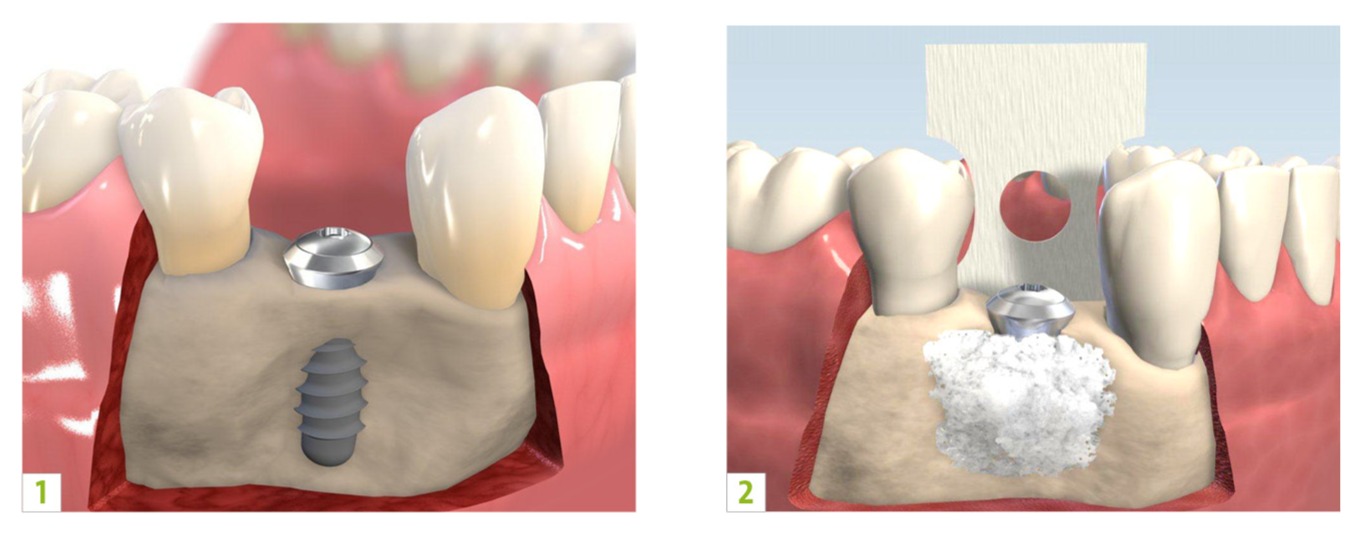
- Maxillary sinus lift: We use an open or closed method to create space for an implant in the upper jaw.
- Guided bone regeneration (GBR): Reconstruction of bone defects using biomaterials.
- Alveolar process splitting: to prepare for the placement of the implant
4. Soft tissue surgery (periodontology)
Healthy gums are essential for an attractive smile. We offer:
- Gum recession coverage: – Treatment of exposed tooth necks.
- Frenulum surgery: Cutting the frenulum of the lip or tongue (often recommended for children and prior to orthodontic treatment).
- Gingivoplasty: Correction of the smile line by reshaping the gums.
5. Corticotomy:
A procedure that accelerates and supports orthodontic treatment, particularly in adult patients. Precise incisions are made in the outer (compact) bone plate of the upper or lower jaw, in the area of the tooth roots, using ultrasound. This stimulates natural bone remodelling processes and facilitates tooth movement.
Dental surgery – frequently aked questions
When should you see a dental surgeon?
- you are planning implant treatment and an assessment of bone conditions is necessary;
- You feel pain in the area of your wisdom teeth.
- an orthodontist has recommended tooth extraction or exposure of an impacted tooth;
- You notice changes in the oral mucosa that require excision and histopathological examination.
- You suffer from recurrent inflammation of the maxillary sinuses of dental origin.
Post-operative care
Proper recovery depends on strictly adhering to the doctor’s recommendations. To minimise the risk of complications, such as dry socket, you should:
- Avoid eating and drinking for two hours after the procedure.
- Avoid eating and drinking for two hours after the procedure.
- Do not smoke or consume alcohol for at least 24–48 hours.
- Apply cool compresses to your cheek to reduce swelling.
- Limit physical activity in the first few days after the procedure.
- Maintain good oral hygiene, avoiding the immediate area of the wound when brushing.
FAQ – Dental Surgery Wrocław
Is wisdom tooth removal painful?
Wisdom tooth extraction is performed under local anaesthesia, which makes the procedure completely painless for the patient. Any pain after the anaesthetic wears off can be effectively relieved with prescribed medication.
What is root resection?
It is a surgical procedure involving the cutting off of the tip of the tooth root and the removal of an inflammatory lesion (e.g. a cyst) that could not be cured by endodontic methods.
How long does it take for the gum to heal after a tooth extraction?
Initial healing of the soft tissue usually takes about 7–14 days. However, complete bone remodelling at the extraction site is a lengthy process, taking several months.
Comfortable surgical treatment – Book an appointment
Contact MedicaDent in Wrocław. We provide professional care, modern equipment and a friendly atmosphere.