
Implants in Wroclaw
Missing teeth is an issue that goes beyond aesthetics. Losing even one tooth can lead to negative health consequences such as bone loss, adjacent teeth shifting, remaining teeth becoming overloaded and temporomandibular joint disorders
Dental implants are currently the most modern and effective solution for restoring natural teeth.
At the MedicaDent dental centre in Wrocław, we provide a full range of implant treatments to restore your quality of life, chewing function and self-confidence.
Why choose dental implants?
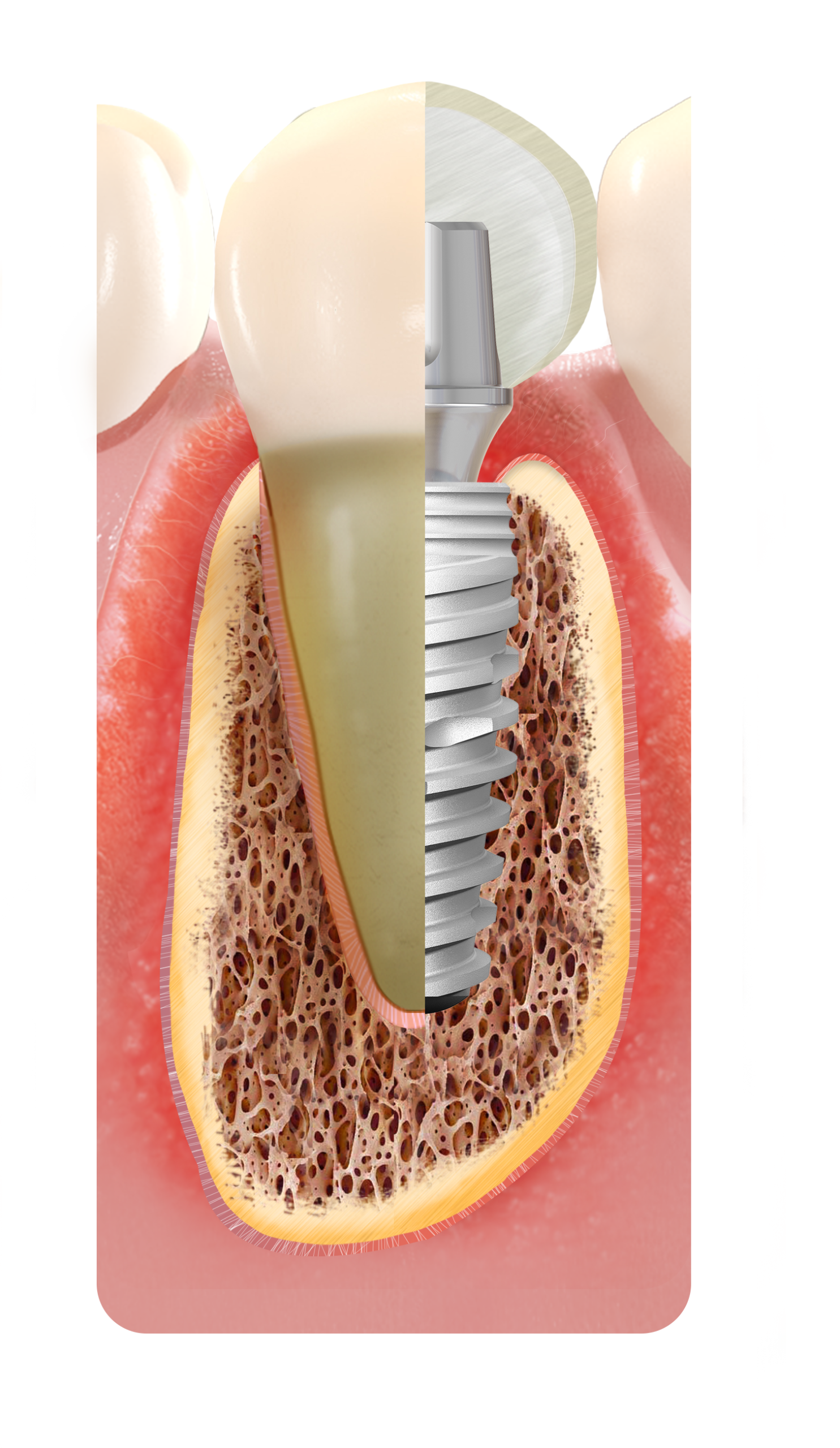
A dental implant is a small screw, typically made of titanium, that replaces the natural tooth root. Once implanted in the jawbone, it provides a stable foundation for a prosthetic crown. Unlike traditional bridges, implants do not require adjacent healthy teeth to be filed down.
Implants in Wroclaw
- Prevention of bone loss: The implant transfers its chewing forces to the bone, stimulating it and protecting it from atrophy.
- Stability and comfort: The restoration is permanent and immovable, as well as functionally indistinguishable from natural teeth.
- Aesthetics: Crowns on implants (porcelain or zirconium) look just like your own teeth.
- Longevity: With proper hygiene and regular check-ups, implants can last a lifetime.
How does the dental implant procedure work at MedicaDent?
How does the dental implant procedure work at MedicaDent?
- Diagnosis and planning: We perform precise imaging tests (CBCT computed tomography and pantomography) to assess the quantity and quality of bone, as well as the size of the maxillary sinuses
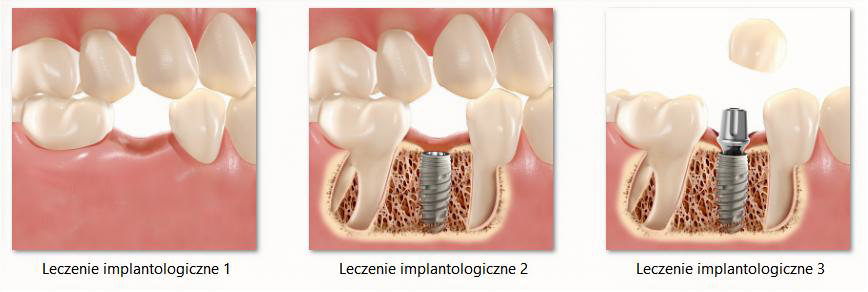
- Surgical procedure: Under local anaesthetic, the dentist inserts a titanium implant into the bone. The procedure is painless and minimally invasive.
- Osseointegration: This is the period of time (usually three to six months) during which the implant permanently fuses with the bone becoming an integral part of of the process.
- Prosthetic restoration: Once the area has healed, an abutment and a custom-made prosthetic crown is attached onto the implant.
Which implant to choose?
Medicadent only uses Straumann implants.
These high-quality Swiss dental implants are widely recognised by specialists as one of the best on the market due to their proven effectiveness and innovative materials.
Materials and technologies
Straumann implants are distinguished by their advanced materials and surfaces:
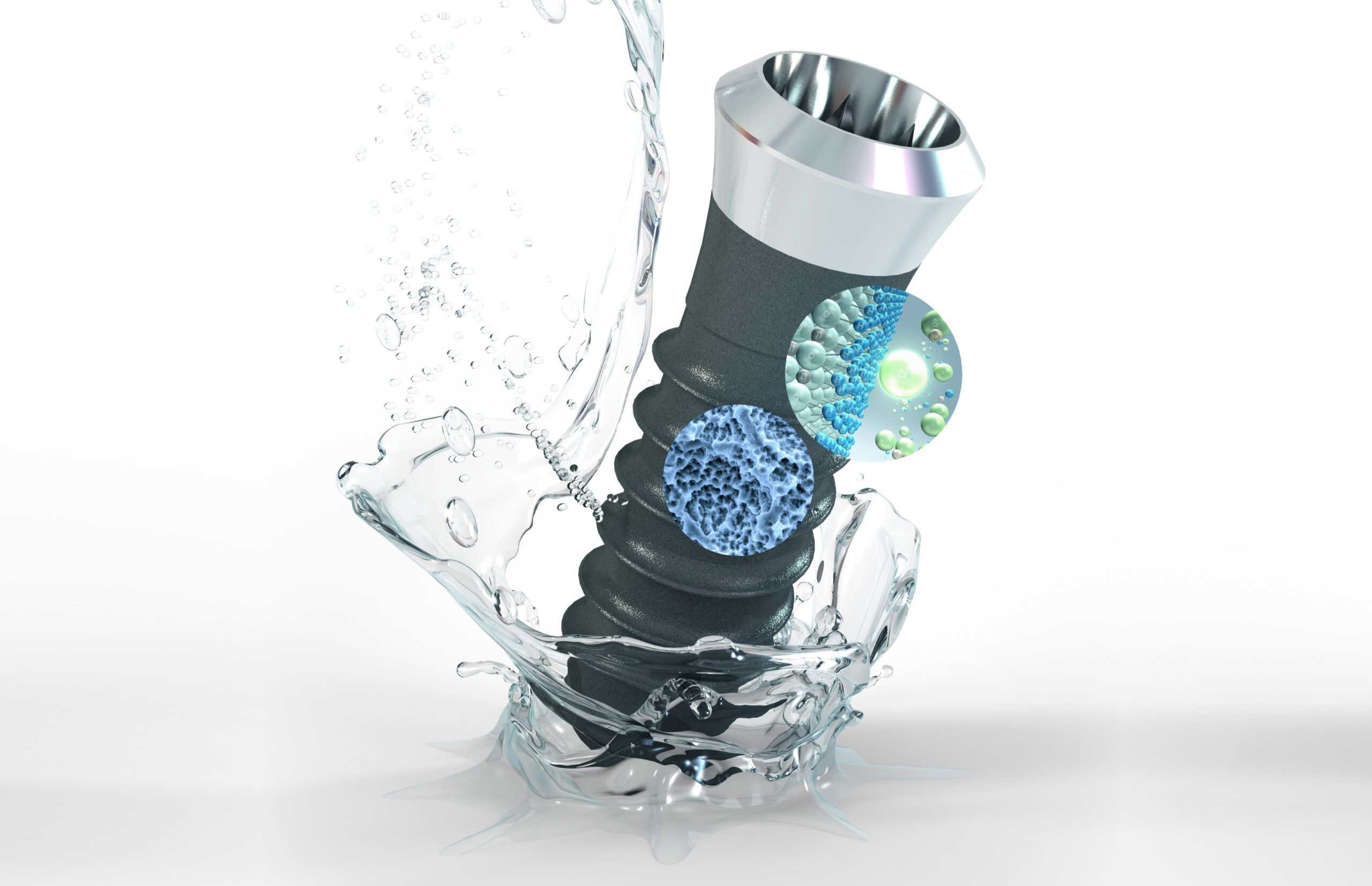
- Roxolid®: A unique titanium and zirconium alloy (approximately 85% titanium and 15% zirconium), which is significantly stronger than pure titanium. This allows for smaller implants to be used, which minimises the invasiveness of the procedure and helps to preserve more natural bone.
- SLActive®: A specialised, hydrophilic implant surface that significantly accelerates osseointegration, reducing treatment time to 3–4 weeks.
Straumann implant systems are characterised by a very high success rate of 99% in patients with generally healthy oral cavities. Both experts and patients appreciate these implants for their longevity, safety and comfort of use. This high quality is the result of the company’s significant investment in scientific research and clinical trials.
Tomography at Medicadent
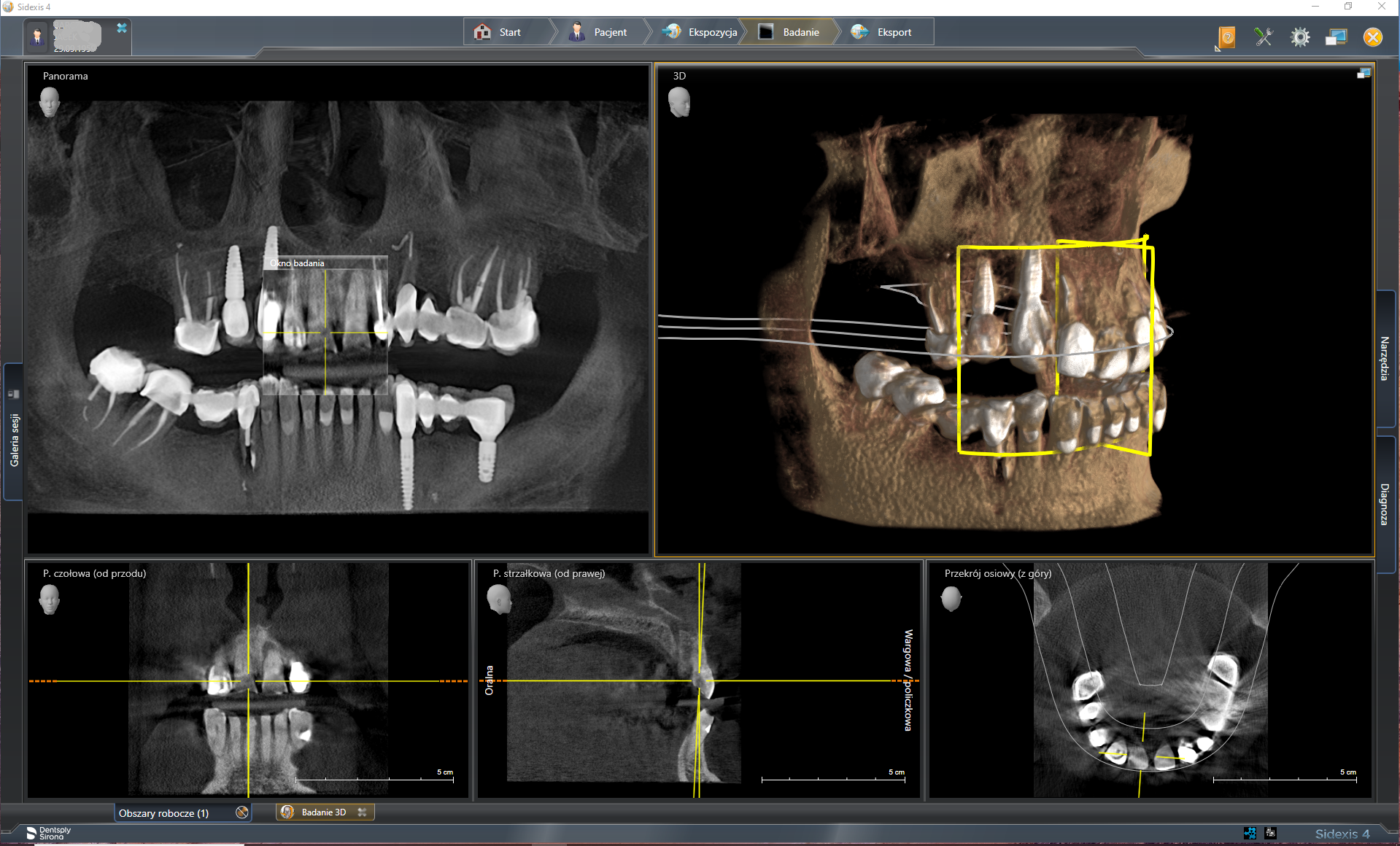
Computed tomography is an essential part of planning implant treatment. It provides dentists with precise, three-dimensional images of the anatomical structures of the oral cavity, which are crucial for successful procedures.
The role of tomography in implantology:
- Precise bone assessment: The examination assesses the quantity, density and quality of bone tissue of the upper or lower jaw, which is fundamental for determining whether an implant can be safely placed in a given location.
- Visualisation of structures: The dentist can accurately locate important anatomical structures, such as nerves or maxillary sinuses, thus minimising the risk of damage during the procedure.
- Procedure planning: Based on the 3D image, the dentist can select the appropriate type, size and position of the implant and virtually plan the entire procedure.
- Safety: CBCT tomography is characterised by a significantly lower radiation dose than traditional medical tomography, making it safer for patients.
Contraindications for implantology procedures
Despite the high effectiveness of the procedures, there are situations in which placing the implant may be risky or impossible. The most important contraindications include:
- Pregnancy: Planned procedures should be postponed until after delivery.
- Uncontrolled diabetes: This condition hinders the healing process and increases the risk of infection.
- Cancer: This is especially the case during chemotherapy or radiotherapy of the head and neck area.
- Age: Implants are not placed in people whose bone growth is incomplete (usually up to the age of 16 or 17).
- Other conditions: Advanced osteoporosis, mental illness and coagulation disorders.
Dental implants – Frequently asked questions
Can I have an MRI scan if I have implants?
Modern dental implants are usually made of titanium, zirconium or other non-magnetic (or weakly magnetic) materials that do not pose a risk during an MRI scan.
However, the following precautions should always be taken:
- Inform your doctor and MRI technician. Always inform medical staff about your implants before the examination. If possible, you should also know exactly what material was used to manufacture them.
- Older types of implants: Very rarely, older types of prostheses or orthodontic appliances may contain ferromagnetic alloys. If you are unsure about the material used, you should consult your dentist beforehand.
Does the implant procedure hurt?
No, as the procedure is performed under effective local anaesthesia, which eliminates pain. Once the anaesthetic wears off, you may experience some discomfort, but this can easily be relieved with over-the-counter painkillers.
How soon after tooth extraction can an implant be inserted?
The optimal time is 8–12 weeks after extraction. This allows the soft tissues to heal and prevents bone loss. Under favourable conditions, it is possible to perform immediate implantation (during the same visit as the tooth extraction).
Do implants need to be replaced?
A properly integrated titanium implant is a long-lasting solution, often lasting a lifetime. Only the prosthetic crown, which undergoes natural wear and tear just like your own teeth, may need replacing after some time.
What are implants made of?
Pure medical titanium is the standard material used in implantology. This biocompatible material is not treated as a foreign body by the body and does not cause allergic reactions.
Take care of your smile today!
Make an appointment for a consultation with an implantologist at MedicaDent in Wrocław to find out how implants could improve your quality of life.